
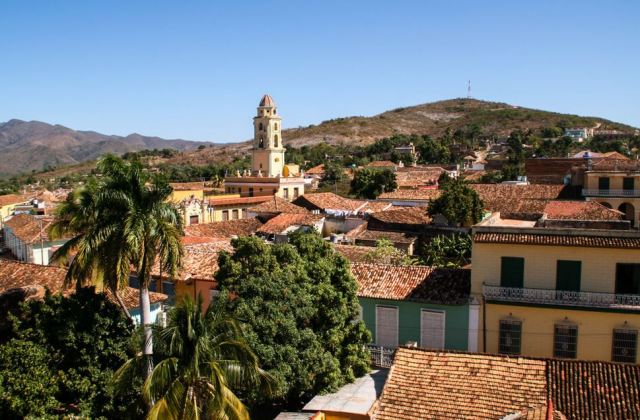
A beekeeper’s paradise?
Long before the embargo and before the Castro brothers, Cuba was a beekeeper’s paradise North American gringos operating Cuban honey farms. Spain ruled Cuba for almost 400 years, but the United States took it as a trophy after the Spanish-American War (1898). The USA quickly granted Cuba independence (1902), but claimed the right to control Cuba’s foreign affairs and its finances. For the next 50 years, Americans built businesses on the island. The biggest money makers were rum, casinos, and resorts, but beekeepers also set up shop. Cuban honey farms owned by beekeepers in New York and the US midwest were once a big thing.
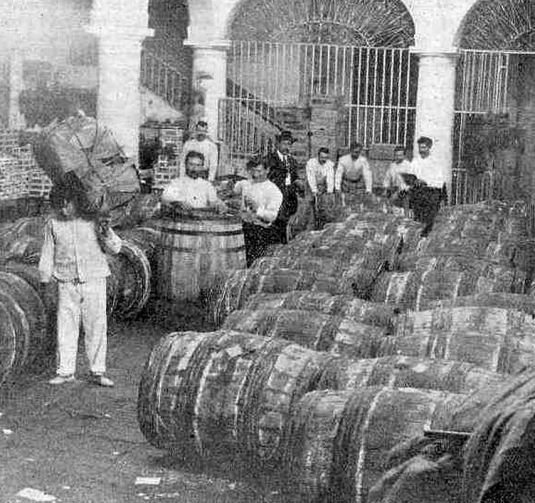
American-owned honey warehouse in Havana in 1902.
(from American Beekeeper, May 1902 issue)
Well, it may happen again. Not that Cuba’s beekeepers are suffering. Last year, they produced 15 million pounds of honey. Not only that, but at $23 million, honey was Cuba’s 4th most valuable export crops in 2015, passing both sugar cane and coffee!
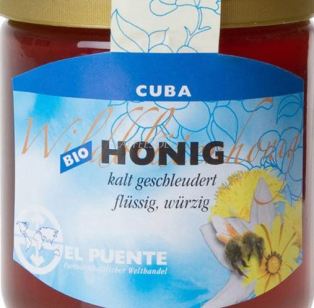
Cuban organic honey from Campilla blanca. Trade Fair label and priced at about $8/pound. Here’s a link to the German vendor.
Cuba may have a special edge in honey markets. According to an article in The Guardian, Cuba is the world leader in organic honey production. As the newspaper sees it, the absence of pesticide makers (such as Bayer and Monsanto) has left Cuban farmers without poisons and GMOs, resulting in pristine pastures for honey bees. I’m not so sure.
Perhaps there are some isolated areas in Cuba which don’t receive pesticides, herbicides, or other farm chemicals. But it’s likely Cuban farmers use locally produced and sometimes harsher chemicals from the old DDT days – things like arsenic, cyanide, and the ‘thion series. According to International Bee Research science director Norman Carreck, in Cuba “the overall use of pesticides has been fairly controlled,” putting a damper on The Guardian’s implication that Cuba is entirely pesticide-free. It is not. The Guardian also suggests that Cuba, as a home to organic foods, has healthier bees. Perhaps, but it’s also possible that the embargo has stopped bee imports and their attached varroa partners. Being economically isolated can have ecological advantages.
What will happen when Cuba can finally import stuff from the USA again and beekeepers build new honey empires on the island? With the Pope and perhaps the president visiting, American beekeepers are sure to follow. Undoubtedly, Cubans will replace donkey carts with pickup trucks and they’ll have finer toys and stuff. Life, I hope, will improve for ordinary folks. People will be free to criticize their government and subscribe to the Guardian and New Yorker, and freely post their opines to the web. But with open borders, things like pests, modern pesticides, and increased bee mortality may also arrive. It will be interesting to see how this unfolds.
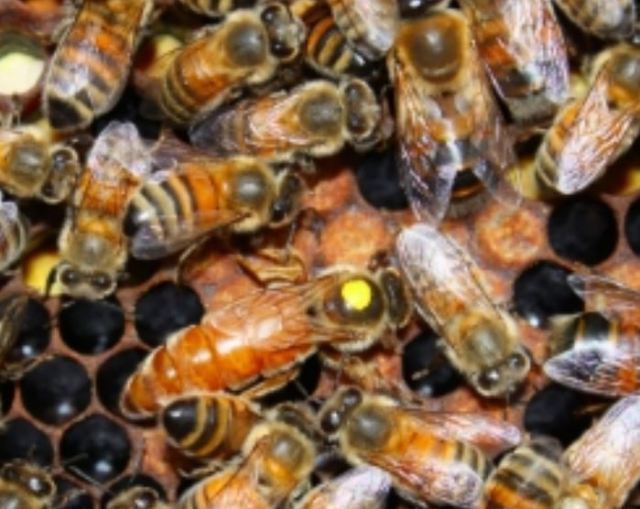

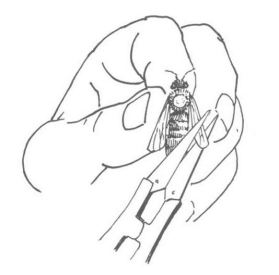
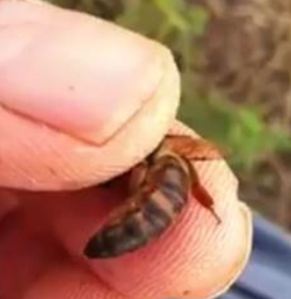 Should you clip your own, use bare hands, gently (gently!) hold the queen’s head and thorax in your non-dominant hand, and ease the open scissors around the tip (one-fourth inch, or 6 mm) of both wings on one side and snip. Some beekeepers hold the queen’s legs, but I’ve felt the queens wiggle and try to pull loose and have worried about damaging a leg. And believe me, making a splint for a queen bee and getting her to use it is a lot of work that care and caution could have prevented!
 You may have heard about dozens of
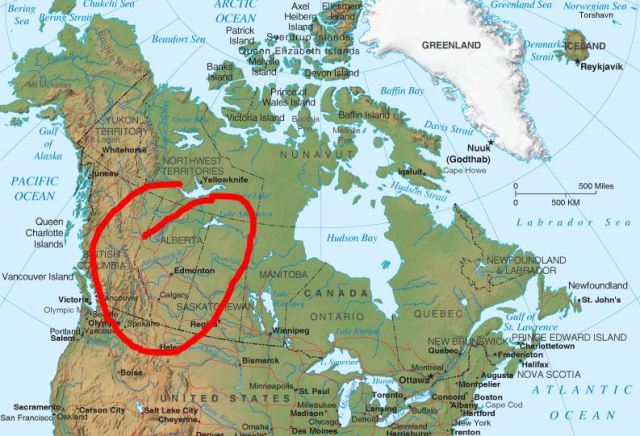
  The numbers are in and the prize goes to Alberta. Alberta, a province in western Canada, has once again won the prestigious honey production award. For those of us who learnt beekeeping where 50-pound crops are the norm (in my case, Pennsylvania), the size of western Canadian honey crops seems the thing of fairy tales, right up there with fire-breathing dragons. Last year’s crop was 145 pounds. (66 kilos) That’s the average per hive from over 250,000 colonies in Alberta. Many colonies did much better. The average would have been higher, but about 30,000 colonies were rented to seed growers – pollination bees didn’t make much honey.


 When I was a kid growing up in western Pennsylvania, Groundhog Day was a big deal. It didn’t hurt that it was also our elementary school principal’s birthday. We didn’t get the whole day off (unless Feb 2 was on a weekend) but we did participate in many rousing games of ‘catch your shadow,’ ‘catch your friend’s shadow,’ and, of course, ‘catch your shadow’s shadow’ – looking back, I think the teachers used this time for a coffee break. Or maybe they were in the principal’s office, cutting cake. Here in western Canada, the day passes with barely a salute. My young children said that they don’t even draw pictures of groundhogs. It was ‘business as usual’. I wonder if their school is a bit too serious?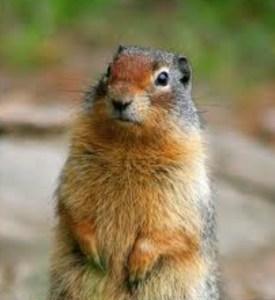
 Sitting in traffic, smelling everyone else’s exhaust (you know yours doesn’t stink), you begin to worry about the bees out there. They smell the fumes, too. But if you look closely, you won’t see them gasping or coughing. That’s only because bees don’t have lungs. I just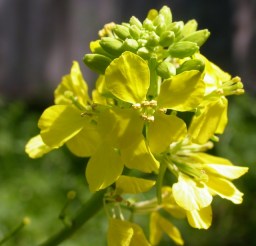

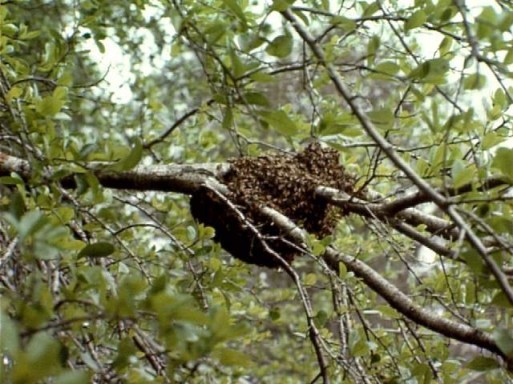
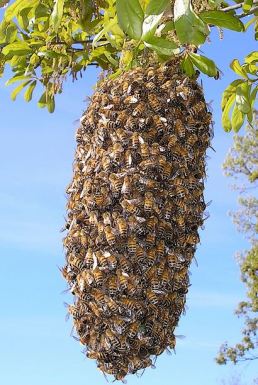 A similar thing happens when bees decide to swarm. There are lots of physical inputs. Days are getting longer. The colony population is growing. Less and less of the queen’s limited swarm-suppression pheromone is distributed among more and more bees. Swarming occurs during nectar flows – all available space is filled with honey, contributing to crowding and congestion. There are few places left for the queen to lay eggs. Her body shrinks from her egg-laying hiatus, allowing her to fly with a future swarm. Scout bees return to share their discovery of a hollow tree as a future possible home. A lot of natural triggers work simultaneously. Then, a brief spell of rainy weather keeps the bees stuck in their hive for a day or two. Finally, the sun comes out, it’s hot, humid, and flowers are dripping with nectar. The colony swarms.
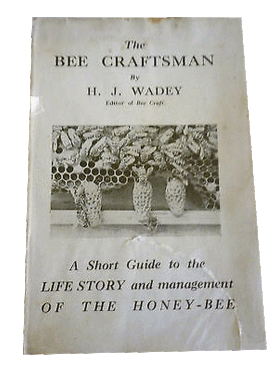 I first saw the phrase ‘hive mind’ years ago. It appeared in the 1943 book, The Bee Craftsman, by
  Economists have long described similarities between honey bees and human activities. There is “an invisible hand” in the market place assuring enough shoes, socks, and karaoke machines are manufactured each year. And these things are sold at a price largely determined by collective free-market bidding among all the people interested in foot apparel or in bar tab receipts. As with the bee making comb in her hive, our improvised choices contribute to the operation of a larger society.


 What is Putin’s real motivation? Healthy, happy citizens? After nearly two decades in power, he has done little to achieve that. In 2012,
  Bad Beekeeping Blog