
During the past week, we looked at how to requeen a hive. On Monday, we considered the reality of queen troubles and how our hives differ from feral colonies. Tuesday was about identifying a queen’s quality from her brood pattern, then on Wednesday, we murdered the queen. Yesterday, a new queen was inserted into our failing hive. Today, we’ll consider what happens to a requeened colony and we’ll ask ourselves if all this was really necessary.
 I’d like to say that the princess becomes a queen and lives happily ever after. That’s usually true. However, after you’ve done everything as correctly as you can, you may still find that some of your hives rejected replacement queens.
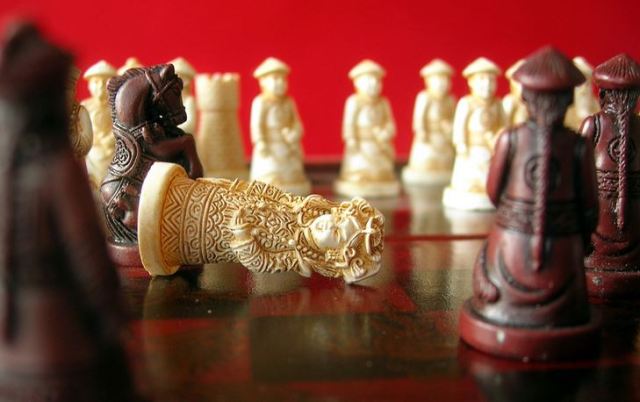
I’ve seen wildly different results requeening. Once, with a batch of a hundred queens, one-third rejected immediately or didn’t make the summer. Weather or some beekeeping mistake might have been the problem. But I suspect that the issue began back at the queen breeder’s ranch. Other times almost every queen in the batch does well. Again, it might have been our own brilliance, but more likely it was a good set of properly raised and fully mature queens that we received. As with most of our beekeeping, our best efforts may improve our success a notch or two, but even a small mistake can lead to an epic fail. (That goes for raising kids, too.)
If you’ve done everything right, you probably have a new egg-laying machine in your hive. Was it worth it? You’ll have to answer that for yourself. When I learned beekeeping from my father, we had about 300 hives. (He had once had 800 but when I was old enough to help, was cutting back to run other businesses.) My father was similar in age and life experience as Richard Taylor (whom I’ll paraphrase: when in doubt, let the bees sort it out). They used similar beekeeping tactics. Particularly, both Richard Taylor (1919-2003) and my father (1919-2002) learned about life during the Great American Depression. My father didn’t spend much money. He never requeened. Failing hives were doubled up with better ones. In the spring, he’d get numbers up again by splitting the good hives – sometimes he’d splurge on purchased queens for the divides, but often he’d just split the hive at the end of the spring flow, let the queenless units raise their own queens, and he’d usually have reasonable hives for Pennsylvania’s autumn goldenrod and aster flows. I’m not advocating this system – it wouldn’t work too well if you have an intense July/August flow, as we do here on the great plains. But that’s one way of managing the poor queen issue if you have a lot of hives and can accept some losses.
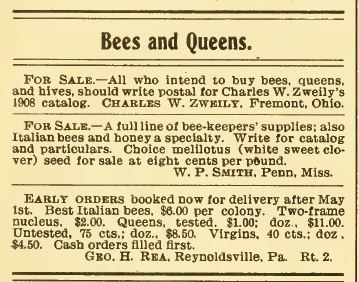
Complete hives, $6; Queens $11/dozen (in 1908)
Generally, you should requeen failing hives with new queens. The value of three pounds of bees and a queen (over CA$200 in western Canada) or 5-frame nucs (US$130 in the States) tells us that a $20-$40 queen invested in a colony at the right time saves a huge amount of money. I won’t go into the value of the honey crop and the difference a good new queen can make to a hive’s production compared with a failing one. In the end – despite some occasions when bees will sort it out – responsible beekeeping usually means requeening a colony when it’s in a death spiral. With a healthy, well-mated, new queen, most hives can recover.
Obviously, I didn’t cover everything you need to know about requeening a hive. That’s partly because I don’t know everything there is to know about beekeeping. But I hope that this review gives you some things to consider. If you are new to beekeeping, do some research, read some good magazines, and (especially) find a mentor – you’ll learn much faster and you’ll be a better beekeeper. If you are an experienced beekeeper, feel free to disagree with everything I’ve written. Let me know how wrong I am. Either way, I’ll be back tomorrow with a short piece on scouting bee yards from 6,000 feet.
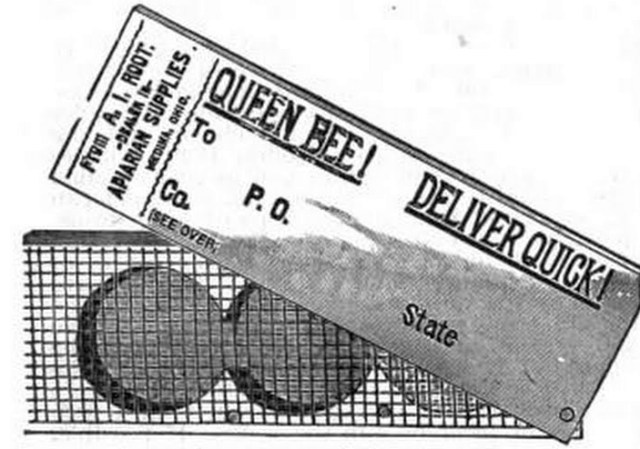
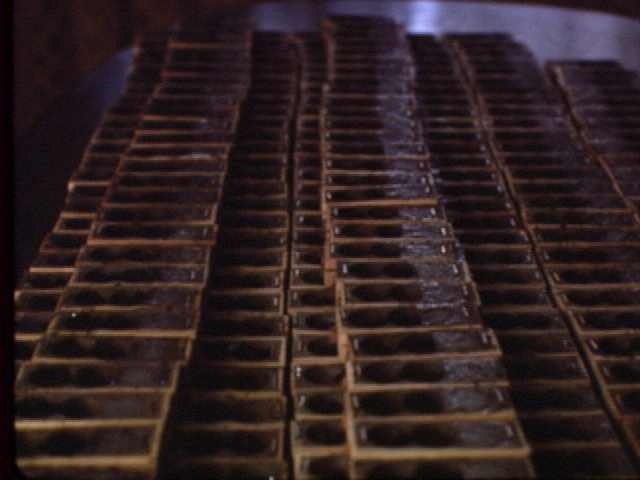
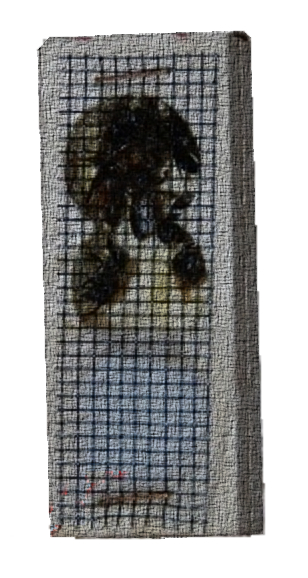 caged queens killed by the queenless bees. (12 in 100 is just an example, not an aspiration. Individual results will vary. Time of year, strength of queenless hive, period of queenlessness, and the alignment of the planets affect acceptance rate.)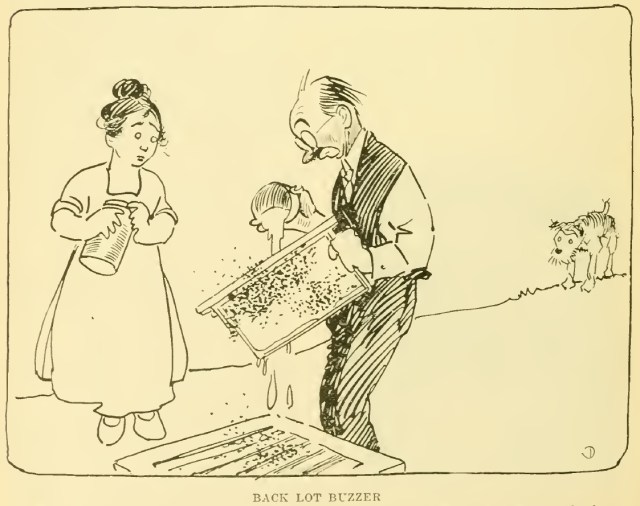


 Most hives will not have drone-laying queens or laying workers. It will be less clear to you that the queen is failing. Your clues will come from the brood – its quantity and pattern. Don’t be hasty making your decision. A hive weakened by mites, skunks, weather, foulbrood, or other maladies may have a fine queen but the brood quantity (and perhaps its pattern) may be sub-optimal. Not every hive will have the perfect pattern that you see here, to the left. There is a spectrum of brood quality and it will give you a sense for the quality of the queen. Tomorrow, we’ll assume you have decided to requeen and we’ll consider your next move.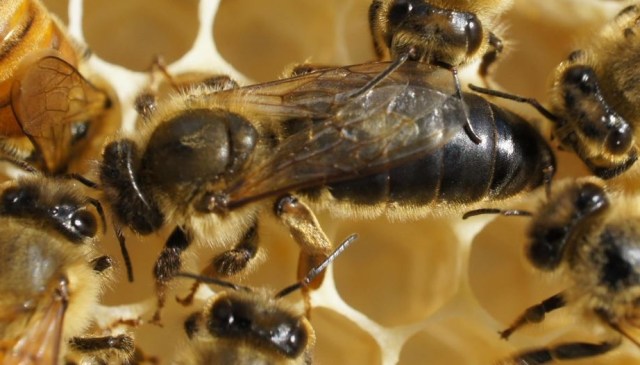
 Today, before we dig into the business of requeening, let’s consider the natural state of affairs. Queens may sometimes (rarely) live four or five years. In a hollow tree, with just a small cavity, broodnests might be small so the queen doesn’t lay 2,500 eggs a day non-stop for four months. Egg-laying isn’t so intense. With less stress and activity, the queen can live longer.



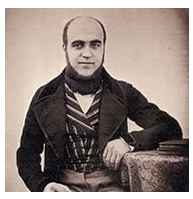 I suspect that Dadant’s politics and religious views were influenced by the failed 1848 European revolutions. He would have been 31 at that time. Strikes swept central Europe and spread through France and Germany. People had grown weary of the autocracy of the aristocrats, hereditary monarchs, the old system of apprenticeships and (within the Hapsburg Empire) feudal serfdom. Riots, strikes, and some blood on the streets were quickly crushed by the soldiers of repressive governments. Young people fled. Hundreds of thousands went to America. For example, following the unrest, 57,000 young Germans settled around Cincinnati. Other parts of the US also welcomed thousands of similar refugees. These were educated, progressive people – a brain-drain for Europe which drove an economic collapse there. The ensuing depression contributed to the failure of Dadant’s business in France while the idealism of the revolution encouraged his move to America. At mid-age, Charles Dadant showed up in western Illinois.
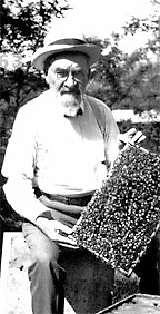 But Charles Dadant’s real passion seemed to be his books and the science of beekeeping. His contributions to the American bee literature were significant. Although he never learned to speak English fluently, he became a great writer in his adopted language. He learned to write in English by using a French-English dictionary to translate the New York Tribune every day. As early as 1869 – just six years in America – he was a regular contributor to American Bee Journal, a magazine he eventually bought and moved to Hamilton, Illinois, where it is still published.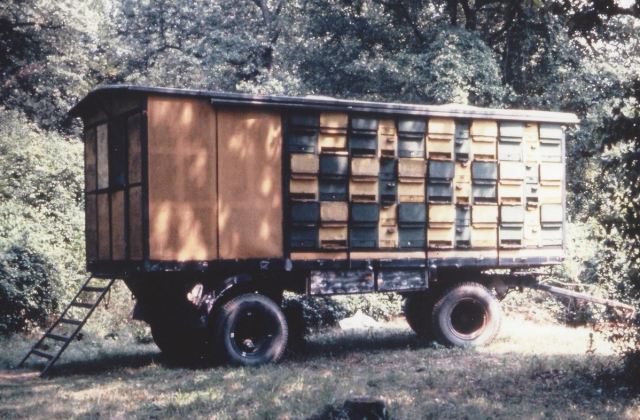
 May 20th is also the celebrated birthdate of

 World Bee Day is immensely important. Maybe that’s why there are two world bee days. A group of Americans petitioned the USDA to create a

 Bad Beekeeping Blog